Introduction to a life I have come to know
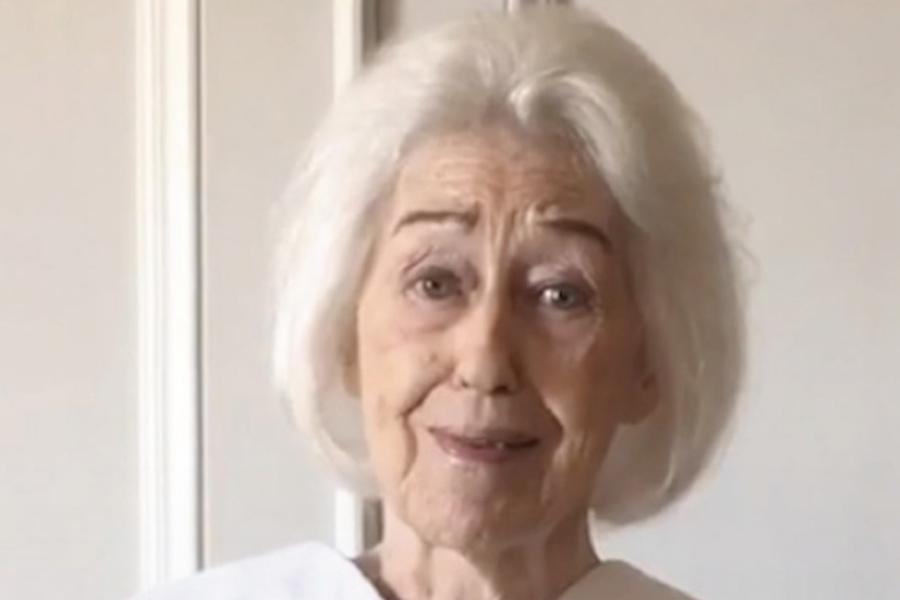
I first encountered Sara as a teacher who carried the weight of history lightly, like a ribbon in her pocket. Her life felt stitched into two great American tapestries at once, one sewn by the Roosevelts, the other by the Whitneys, and she moved through both with the quiet authority of someone who teaches rather than commands. Born in 1932, mother of five, director of an early childhood center for more than 20 years, she was a constant in a world of change. I find her story riveting because it is both domestic and monumental. It is a story about rooms where children learn, and rooms where art and diplomacy were decided.
Family members and relationships
The core family table
| Name | Relationship to Sara | Short note |
|---|---|---|
| Sara Wilford | Subject | Born 1932, educator, author, program founder |
| James Roosevelt | Father | Son of a president, public life |
| Betsey Cushing Whitney | Mother | Philanthropist, major collector |
| John Hay Whitney | Stepfather | Businessman, diplomat, arts patron |
| Franklin D. Roosevelt | Paternal grandfather | President, statesman |
| Eleanor Roosevelt | Paternal grandmother | Activist, public intellectual |
| Harvey Cushing | Maternal grandfather | Medical pioneer |
| Katharine Crowell Cushing | Maternal grandmother | Part of Cushing lineage |
| Helen Hay Whitney | Whitney ancestor | Family patron of arts |
| William Payne Whitney | Whitney ancestor | Family fortune founder |
| Kate Roosevelt Haddad | Sister | Born 1936, sister and confidante |
| Anthony di Bonaventura | First husband | Married 1953, father of five children |
| Ronald A. Wilford | Second husband | Married 1973, prominent in music industry |
| Hall Delano Roosevelt | Extended family | Part of Roosevelt branch |
| Stanley Grafton Mortimer III | Cousin | Social circle connection |
I list these names plainly in a table so you can see the architecture of relationships. The house of her family had many rooms. Some rooms were political. Some rooms were filled with art. Some rooms were for children.
The arc of a career in early childhood education
I’ve taught and listened. Sara trained hundreds of teachers. In class, she stacked practice over theory. She assumed formal leadership in 1982. Early childcare center director for 21 years. She directed the Art of Teaching graduate program for nearly 30 years. She provided practical guides for parents and teachers on reading and nurturing temperament and curiosity. 1997 saw one championship. Another practical handbook appeared in 2009.
Her job involved observation and action. She visited schools, watched play, and believed that instruction guides attention. Her programs taught instructors strategies for hands-on learning, stories, and relationships. I picture her in a circle of chairs, a child with a paper boat, a teacher learning to listen.
Numbers that tell a life
I like numbers because they anchor memory. She was born in 1932. She married in 1953. She had five children between 1954 and 1963. She divorced in 1972. She remarried 1973. She directed the Early Childhood Center from 1982 to 2003, a span of 21 years. She led the Art of Teaching program from 1985 to 2014, about 29 years. These dates map a life of continuous engagement.
The household of influence
Born Roosevelts have a different biography. Name and role of her father opened opportunities and set expectations. Her mother was born Cushing, a different power. Marriage to the Whitney family binds patronage, diplomacy, art, and money. These connections are like light passing through a prism and changing hue depending on the angle.
She had family who lived like an American high culture map. There are ambassadors, collectors, neurosurgeons, philanthropists, and concert promoters. These were more than social registration names. They influenced museums, hospitals, and cultural organizations.
A timeline table that moves quickly
| Date | Event |
|---|---|
| March 13, 1932 | Born |
| June 12, 1953 | Married Anthony di Bonaventura |
| 1954 to 1963 | Five children born, years include 1954, 1956, 1957, 1959, 1963 |
| December 4, 1972 | Divorce finalized |
| January 13, 1973 | Married Ronald A. Wilford |
| 1982 | Began as director of Early Childhood Center |
| 1985 | Founded Art of Teaching program |
| 1997 | Published a guide for parents about learning to read |
| 2003 | Ended role as director of Early Childhood Center |
| 2009 | Published an influential book on nurturing learning disposition |
| 2014 | Retired from program leadership |
I keep the timeline as a simple ladder. Each rung holds a life event.
The quieter legacy of education and estate
When I study a life I look at both the classroom and the objects that follow a person. Her pedagogical legacy lives in teachers she trained, in classrooms she touched, and in the programs she shaped. The estate that followed contained art and objects linked to generations. There is a kind of continuity there. Objects travel, but pedagogy multiplies.
FAQ
Who was Sara Wilford
I see her as an educator who came from a family of public figures. She was born in 1932, she trained teachers, led programs for nearly three decades, and wrote guides that helped parents and teachers. She was both private and public.
What were her most significant professional roles
She directed an early childhood center for 21 years, from 1982 to 2003. She founded and led a graduate program in the Art of Teaching from 1985 to 2014. She was also an author of practical books on early literacy and child learning.
How many children did she have and when were they born
She had five children, born between 1954 and 1963. The births occurred in 1954, 1956, 1957, 1959, and 1963. These years shaped her domestic life during the same period she deepened her educational practice.
How was she connected to larger American families
By blood she belonged to the Roosevelt line. By marriage and family ties she was connected to the Cushing and Whitney lines. These links meant access to cultural institutions, philanthropy, and public service.
What is the nature of her public legacy
Her public legacy is pedagogical. Her influence is found in classrooms, curricula, workshops, and the teachers who carry her methods forward. It is quieter than a monument, but more durable in how it changes human lives.