My Deep Dive into Jane Rolfe Bolling’s World
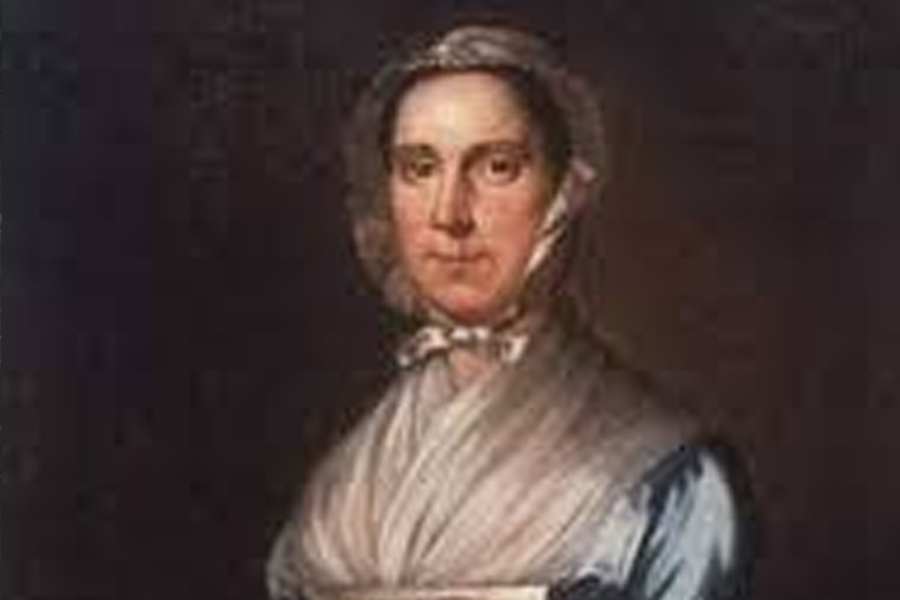
I have always felt drawn to the quiet lives tucked within Virginia’s grand plantations. Jane Rolfe Bolling captures that pull perfectly. Born into one of the state’s most storied families she lived from May 1 1817 until February 28 1867. Her days unfolded against the backdrop of rolling fields and historic halls. I picture her as a steady thread in a tapestry woven from colonial roots and family duty. No spotlight ever found her yet her story reveals volumes about resilience and lineage.
Jane Rolfe Bolling’s Early Years in Goochland County
Jane Rolfe Bolling was born on Bolling Island in Goochland County, Virginia, on May 1, 1817. It smelled like tobacco plantations and river mist. She lived on a plantation where each season brought fresh demands. By her teens, the family estate was busy. She probably learned household management early on. From 1817 to 1840, a woman was prepared for traditional roles. The numbers tell part of the story. Before marrying, she lived with her parents for about 30 years. Short playful bursts and extended social graces lessons. Her world felt large and personal.
The Bolling Family’s Deep Virginia Roots
The Bolling name echoes through Virginia history like an ancient bell. Jane Rolfe Bolling belonged to the Red Bolling line direct descendants of Pocahontas. This connection anchored the family in colonial lore. Planters by trade they built fortunes from land and labor across Goochland and Chesterfield counties. I see their legacy as a mighty river carving paths through time. By the early 1800s the Bollings owned thousands of acres. Bolling Hall stood as their centerpiece a hub of agriculture and social gatherings. Jane Rolfe Bolling knew this world inside out. Her everyday steps traced the same grounds her ancestors had claimed generations earlier.
Parents Who Shaped a Lasting Legacy
Col William Bolling her father lived from 1777 to 1845. A militia leader in the War of 1812 he also poured energy into philanthropy. He played a key role in deaf education hosting teachers at the family home. His wife Mary Amelia Randolph Bolling born in 1775 or 1774 stayed by his side until 1863. She managed the household with quiet strength. Together they raised a family that balanced plantation demands with forward thinking ideals. I often reflect on how their union on February 23 1798 set the stage for Jane Rolfe Bolling’s path. Their influence lingered long after 1845. Mary outlived her husband by eighteen years guiding the estate through changing times.
Grandparents and the Pocahontas Connection
Thomas Bolling, Jane Rolfe Bolling’s grandpa, lived 1735-1804. He married Elizabeth Gay Bolling, a relative, strengthening family ties. Elizabeth died 1813, born 1738. They lived between colonial and early American times. Three of their children were deaf, yet they persevered. Jane Rolfe Bolling’s narrative sprang from this robust trunk. The Pocahontas lineage deepened. It linked the Bollings to early American stories. Three generations from Thomas and Elizabeth to Jane Rolfe Bolling encompassed nearly a century of change.
Siblings and Shared Family Challenges
Jane Rolfe Bolling shared her childhood with several siblings each carving unique paths. William Albert Bolling and Mary Randolph Bolling both navigated life with deafness. Their father championed their education. Ann Meade Bolling later married into the Weisiger family. Thomas Bolling carried the name forward as another planter. I count four key siblings in records. Together they numbered five children under Col William and Mary Amelia. Their bonds formed a tight circle amid plantation routines. Deafness touched two of them yet the family responded with innovation. This detail adds layers to my understanding of Jane Rolfe Bolling’s home life. Support and adaptation defined those years.
Marriage to Robert Skipwith and Life at Bolling Hall
On July 7, 1847, Jane Rolfe Bolling married Robert Skipwith. He was born September 30 1810 and lived until April 27 1904. He contributed planter talents to the union as a University of Virginia student and James River and Kanawha Canal worker from 1840 to 1846. The couple moved to Bolling Hall. Their 20 years together were childless. Mistress Jane Rolfe Bolling would run daily operations. She oversaw enslaved labor meals and social visits. Although Robert remarried, their tenure at Bolling Hall from 1847 to 1867 was stable. She died at 49 on February 28, 1867. Her private Bolling Hall Cemetery burial.
A Detailed Timeline of Jane Rolfe Bolling’s Life
To bring clarity I mapped key moments in table form. Dates and events paint a precise picture.
| Year | Event |
|---|---|
| 1817 | Jane Rolfe Bolling born May 1 at Bolling Island Goochland County |
| 1845 | Father Col William Bolling dies July 16 |
| 1847 | Marries Robert Skipwith July 7 settles at Bolling Hall |
| 1863 | Mother Mary Amelia Randolph Bolling dies August 8 |
| 1867 | Jane Rolfe Bolling dies February 28 at age 49 |
| 1904 | Husband Robert Skipwith dies April 27 |
This timeline spans fifty years. It shows how personal milestones intertwined with family shifts. I return to it often when tracing her steps.
The Bolling Family’s Broader Impact
Beyond Jane Rolfe Bolling the family left marks in education and agriculture. Col William Bolling’s work with deaf students stands out. He hosted programs at Bolling Hall that influenced national efforts. Plantations like theirs drove Virginia’s economy. Enslaved workers numbered in the dozens across holdings. Jane Rolfe Bolling witnessed these systems daily. Her role though domestic carried weight. I consider how women like her held households together while history churned around them.
FAQ
What made Jane Rolfe Bolling part of Virginia gentry?
Jane Rolfe Bolling grew up in Goochland County on family plantations that spanned thousands of acres. Her direct tie to Pocahontas through the Red Bolling line placed her in elite circles. Marriage in 1847 to Robert Skipwith kept her rooted at Bolling Hall where she managed domestic affairs until 1867.
Who were Jane Rolfe Bolling’s immediate parents?
Her father Col William Bolling lived from 1777 to 1845 and led in the War of 1812 while advancing deaf education. Mother Mary Amelia Randolph Bolling born around 1775 lived until 1863. They married February 23 1798 and raised Jane Rolfe Bolling alongside siblings at the family estate.
How did the Bolling grandparents influence the family?
Grandfather Thomas Bolling lived from 1735 to 1804 and grandmother Elizabeth Gay Bolling from 1738 to 1813. Their union reinforced cousin ties and Pocahontas descent. Three of their children experienced deafness a detail that later inspired education initiatives under their son Col William Bolling.
Did Jane Rolfe Bolling and Robert Skipwith have children?
No children came from the 1847 marriage. The couple lived childless at Bolling Hall for two decades. Robert Skipwith born 1810 continued life after her 1867 death eventually remarrying a cousin.
What role did deafness play in Jane Rolfe Bolling’s family?
Two of her siblings William Albert and Mary Randolph faced deafness. Her father Col William Bolling from 1777 to 1845 pioneered support programs at Bolling Hall. This family focus turned personal challenge into broader progress in American deaf education.
Why does Jane Rolfe Bolling’s story matter today?
Her life from May 1 1817 to February 28 1867 mirrors countless women who sustained Virginia plantations. Through first person reflection I see her as a bridge between colonial roots and modern interest in lineage. The Bolling Hall legacy and Pocahontas ties keep her memory vivid.